

Vivistim® Paired VNS™ Therapy
Vivistim® Paired VNS™ Therapy
Helping stroke survivors regain hand and arm function
After a stroke, everyday tasks like buttoning a shirt, holding a cup or picking up small objects can become difficult. Even after months of rehabilitation, some stroke survivors continue to experience weakness or limited movement in the hand or arm.
If your recovery has plateaued, Vivistim® Paired VNS™ Therapy may offer another opportunity to make progress.
Vivistim is an FDA-approved treatment for people living with chronic upper-extremity weakness following an ischemic stroke. The therapy combines gentle vagus nerve stimulation with rehabilitation exercises to help the brain relearn movement and improve hand and arm function.
To learn whether Vivistim if right for you, call Marshall Neuroscience at 304.691.1787.
How Vivistim works
Vivistim uses a small neurostimulation device, similar to a pacemaker, that is implanted through two small incisions during a same-day outpatient procedure.
During rehabilitation therapy, the device delivers gentle stimulation while you perform specific hand and arm exercises. Pairing stimulation with movement helps the brain create and strengthen neural pathways involved in movement and function.
Over time, this process can help improve the way the brain and affected arm work together.
Who may be a candidate for Vivistim?
You may be a candidate for Vivistim if you:
- Had an ischemic stroke at least six months ago
- Continue to experience weakness in your hand or arm
- Can actively move your wrist, thumb and at least two fingers
- Have plateaued despite rehabilitation
- Are willing and able to participate in rehabilitation therapy
A comprehensive evaluation with the Marshall Neuroscience team can help determine whether Vivistim is appropriate for you.
Potential Benefits
Vivistim Paired VNS Therapy may help patients achieve:
- Improved hand and arm movement
- Increased strength and coordination
- Greater independence with everyday activities
- Better results from rehabilitation therapy
What to Expect
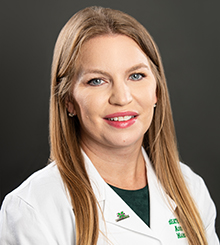
The Vivistim device is implanted by board-certified neurosurgeon Heather Pinckard-Dover, M.D., who works closely with occupational therapists and rehabilitation specialists to support each patient's recovery.
Your Vivistim treatment journey may include:
- Evaluation: Your care team will evaluate your medical history, stroke recovery and current hand and arm function to determine whether you are a candidate.
- Outpatient implant procedure: A small Vivistim device is surgically implanted during a same-day outpatient procedure.
- Personalized rehabilitation: Following implantation, you will participate in occupational therapy designed around your individual needs and recovery goals.
- Continued exercises at home: Your care plan will include exercises to help you continue building strength, movement and function outside of therapy sessions.
For appointments and referrals, call Marshall Neuroscience at 304.691.1787.
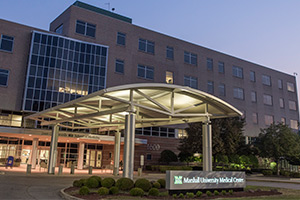
Marshall Neurosurgery - Huntington
A provider-based department of Cabell Huntington Hospital
Marshall University Medical Center
1600 Medical Center Drive
Suite B500
Huntington, WV 25701
Phone: 304.691.1787