


Infertility & Reproductive Endocrinology
Infertility & Reproductive Endocrinology
Infertility is a deeply personal and often emotional journey for individuals and couples. While not always spoken about openly, approximately 1 in 6 people worldwide will struggle with infertility. Understanding infertility is an important step toward hope, healing and support.
Depending on the cause of infertility, your OB/GYN may be able to offer a solution. Others may benefit from seeing a specialist. Marshall Health’s reproductive endocrinologist, William Burns, MD, FACOG, and the care team at Cabell Huntington Hospital’s (CHH) Center for Advanced Reproductive Medicine offer diagnostic testing for men and women, including assisted reproductive technology such as intrauterine insemination, in vitro fertilization, oral and injectable "fertility drugs" and surgery. Simpler treatment methods – some that are not commonly available nationally – may also be recommended based on the patient’s individual needs.
For more information or an appointment, call Marshall OB/GYN at 304.691.1400.
Infertility is the inability to conceive after one year of regular, unprotected sex. It can affect both men and women and may result from various factors, including physiological, hormonal and environmental influences.
Causes of Infertility:
- Female Infertility:
- Ovulation Disorders: Conditions like polycystic ovary syndrome (PCOS) or thyroid problems can affect ovulation.
- Fallopian Tube Blockage: Infections or previous surgeries can lead to blocked tubes, preventing eggs from reaching the uterus.
- Endometriosis: Tissue similar to the uterine lining grows outside the uterus, potentially affecting ovaries, fallopian tubes, and the uterus.
- Age-related Infertility: Egg quality declines as a woman ages, especially after 35.
- Uterine Issues: Fibroids, polyps, or abnormal uterine shape can impact embryo implantation.
- Male Infertility:
- Low Sperm Count (Oligospermia): Low sperm count or poor sperm motility can make conception difficult.
- Abnormal Sperm Shape (Teratospermia): Poor sperm morphology can reduce fertilization chances.
- Varicocele: Enlarged veins around the testicles can cause temperature changes, affecting sperm production.
- Ejaculatory Issues: Problems with ejaculation or sperm transport can cause infertility.
Unexplained Infertility: In some cases, the cause cannot be easily identified despite testing both partners.
- Medications: Fertility drugs like Clomiphene citrate (for women) or hormone therapies (for men) to stimulate ovulation and sperm production.
- Intrauterine Insemination (IUI): Sperm is placed directly into the uterus during ovulation.
- In vitro Fertilization (IVF): Eggs and sperm are combined in the lab, and the resulting embryo is implanted in the uterus.
- Surgery: Procedures like laparoscopy can treat issues like endometriosis or blocked fallopian tubes.
- Donor Sperm/Eggs: In some cases, sperm or eggs from a donor may be used.
Reproductive endocrinology focuses on diagnosing and treating hormonal disorders that may interfere with fertility and pregnancy.
Key aspects include:
- Hormonal Regulation: The reproductive system relies on a complex interaction of hormones such as:
- Estrogen and progesterone (for ovulation and pregnancy support)
- FSH (Follicle Stimulating Hormone) and LH (Luteinizing Hormone) (important for egg maturation and ovulation)
- Testosterone (for sperm production in men)
- Thyroid hormones (which influence ovulation and fertility)
- Treating Common Disorders:
- Polycystic Ovary Syndrome (PCOS): A common hormonal disorder causing irregular periods and ovulation problems.
- Endometriosis: Tissue similar to the uterine lining grows outside the uterus, often affecting fertility.
- Premature Ovarian Insufficiency (POI): Early depletion of ovarian function, leading to infertility.
- Hypothalamic Amenorrhea: When stress or low body weight affects hormone regulation and disrupts menstrual cycles.
- Hyperprolactinemia: Elevated levels of prolactin hormone that can interfere with ovulation.
Common tests used to diagnose issues include:
- Blood Tests: To measure hormone levels such as FSH, LH, estrogen, testosterone, thyroid hormones, and prolactin.
- Ultrasound: To evaluate the ovaries and uterus, check for cysts, fibroids or other abnormalities.
- Hysterosalpingography (HSG): An X-ray test to check the fallopian tubes for blockages or abnormalities.
- Laparoscopy: A minimally invasive procedure to directly view the pelvic organs.
- Ovulation Induction: Using medications (e.g., Clomid, letrozole) to stimulate ovulation.
- Hormone Replacement Therapy (HRT): Used to manage hormonal imbalances, especially in women with POI or during menopause.
- Assisted Reproductive Technologies (ART): Including IVF, egg freezing and embryo transfer to assist in conception.
- Surgery: To treat underlying conditions such as fibroids, endometriosis or blocked fallopian tubes.
- Lifestyle Modifications: Addressing factors such as weight management, exercise and stress reduction, which can influence fertility.
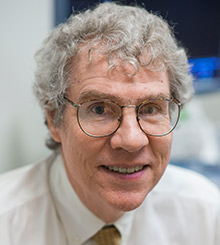
William N. Burns, MD, FACOG
Clinical Interests:
Locations:
- Marshall OB/GYN - Huntington 304.691.1400
- Marshall OB/GYN - Teays Valley 304.691.1800
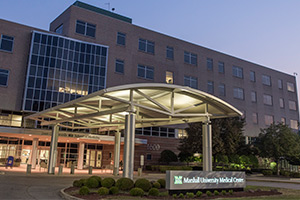
Marshall OB/GYN - Huntington
A provider-based department of Cabell Huntington Hospital
Marshall University Medical Center
1600 Medical Center Drive
Suite 4500 (4th Floor)
Huntington, WV 25701
Phone: 304.691.1400

Marshall OB/GYN - Teays Valley
An outpatient department of Cabell Huntington Hospital
Marshall Health - Teays Main
63 Corporate Center Drive
Suite 301
Scott Depot, WV 25560
Phone: 304.691.1800
Toll-Free Phone:
Schedule a Consult
Whether you're seeking answers, exploring fertility options or managing a hormonal condition, our team is here to provide personalized care and support every step of the way.
Marshall OB/GYN
304.691.1400