


Perioperative Medicine
Perioperative Medicine
Perioperative medicine is a comprehensive, patient-centered approach to surgical care that spans the entire surgical journey — starting when surgery is first considered and extending through recovery and the return to daily life.
Our goals are to optimize health before surgery, ensure safe anesthesia and surgical management, reduce complications and support recovery after the procedure. This collaborative model brings together anesthesiologists, surgeons, nurses and other specialists to coordinate care at every step of the process.
Pre-Anesthesia Treatment & Evaluation
Pre-anesthesia treatment focuses on:
- Reviewing your health history and past surgeries
- Assessing anesthesia risk and choosing the safest anesthesia type
- Discussing anesthesia options, benefits, and risks with you
- Ordering necessary labs or tests to support safe anesthesia delivery
- Planning how to manage pain and recovery after surgery
Our Approach to Care
Prior to receiving anesthesia, our team will review your medical history, current health, risk factors, medications, allergies, test results and anesthetic options. These evaluations ensure your anesthesia care is safe and tailored to your needs as well as identify potential risks and guide the team in creating a personalized plan. They are performed days to weeks before surgery in one of our pre-anesthesia testing clinics.
Based on these outcomes, anesthesia options (general, regional, or sedation) are discussed along with the potential risks and benefits.
Perioperative medicine supports patients with:
- Chronic health conditions (e.g., heart disease, diabetes) that may affect surgery
- Nutritional or lifestyle optimization (e.g., smoking cessation, anemia treatment)
- Education and preparation for surgery and recovery
- Pain management planning before and after surgery
- Coordination of care among specialists before, during and after surgery
Your perioperative medicine journey is made up of series of phases.
Preoperative phase: Evaluation, medical optimization, patient education and risk assessment to strengthen your health before surgery.
Intraoperative phase: Anesthesia care during surgery to keep you comfortable, safe and monitored.
Postoperative phase: Pain management support, monitoring in recovery and coordinated follow-up as you heal
Benefits of Perioperative Medicine
- Improves overall surgical outcomes through better preparation and coordinated care.
- Helps reduce complications during and after surgery.
- Offers continuous support from the decision to operate through full recovery.
- Enhances anesthesia safety through tailored planning.
- Clarifies anesthesia options and expectations for patients.

John E. Cornell, MD
Clinical Interests:
- Hospitalist
- Perioperative Medicine
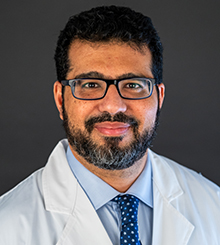
Ashraf M. Elghul, MD
Clinical Interests:
Locations:
- Erma Ora Byrd Clinical Center
- Marshall Internal Medicine 304.691.1000

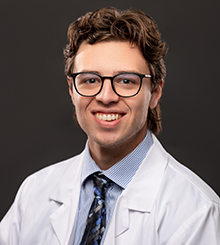
Lora B. Fetty, MD
Clinical Interests:
- Adolescent Medicine
- General Internal Medicine
- General Pediatrics
- Hospitalist
- Perioperative Medicine
- Primary Care
- Telemedicine
- Walk-In Care
- Wellness
Locations:
- Cabell Huntington Hospital Preadmission Testing Department 304.526.2293
- Marshall Internal Medicine - Teays Valley 304.691.6910
- Marshall Orthopaedics - Huntington 304.691.1262

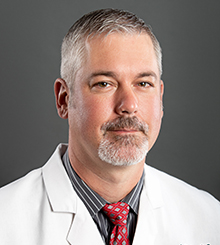
William C. Wallace, MD
Clinical Interests:
Locations:
- Cabell Huntington Hospital Preadmission Testing Department 304.526.2293
- Marshall Orthopaedics - Huntington 304.691.1262
- Rivers Health Preadmission Testing Department 304.674.7285
- St. Mary's Outpatient Center Preadmission Testing Department 304.526.1575

Jessica Bailey, APRN, FNP-BC
Clinical Interests:
Locations:
- Rivers Health Preadmission Testing Department 304.674.7285





Olivia Mooney, APRN, FNP-C
Clinical Interests:
Locations:
- Rivers Health Preadmission Testing Department 304.674.7285

Bethany Perrine, FNP-BC
Clinical Interests:
Locations:
- Cabell Huntington Hospital Preadmission Testing Department 304.526.2293
- Marshall Orthopaedics - Huntington 304.691.1262


HIMG - Perioperative Management Clinic
3075 U.S. Route 60
Huntington, WV 25705
Phone: 304.528.4664
Marshall Neurosurgery - Huntington
A provider-based department of Cabell Huntington Hospital
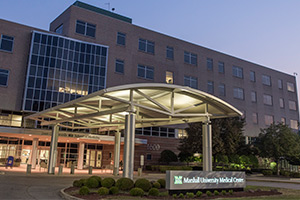
Marshall University Medical Center
1600 Medical Center Drive
Suite B500
Huntington, WV 25701
Phone: 304.691.1787
Marshall Orthopaedics - Huntington
A provider-based department of Cabell Huntington Hospital
Marshall University Medical Center
1600 Medical Center Drive
Suite G500 (Ground Floor)
Huntington, WV 25701
Phone: 304.691.1262

Rivers Health Preadmission Testing Department
2520 Valley Drive
Point Pleasant, WV 25550
Phone: 304.674.7285
Toll-Free Phone:
St. Mary's Outpatient Center Preadmission Testing Department
2900 1st Avenue
Huntington, WV 25702
Phone: 304.526.1575
Toll-Free Phone: