


Wisdom Teeth
Third molars, more commonly know as wisdom teeth, are generally the last teeth to develop and appear in your mouth. They typically appear between the ages of 17 and 25, a time in life associated with the onset of maturity and the "Age of Wisdom."
If your wisdom teeth have grown in completely and are functional, painless and disease-free, there may be no need to extract them. Just like your other teeth, however, they require regular cleanings, check-ups and x-rays to monitor for any changes.
If your wisdom teeth have not grown in completely, your dentist may refer you to Marshall Dentistry, Oral & Maxillofacial Surgery for wisdom teeth removal.
Wisdom Teeth Removal
Wisdom teeth that have not grown in completely are called impacted. Impacted wisdom teeth can result in several problems that may require them to be removed. The most common problems are:
- When a wisdom tooth comes only partially through the gum, it creates an opening where bacteria can enter. Common symptoms of infection include pain, swelling and jaw stiffness.
- Damage or crowding of nearby teeth. A wisdom tooth that doesn’t have enough room to grow in fully or one that grows in misaligned can damage or crowd surrounding teeth.
- Cyst or tumor. If a fluid-filled sac called a cyst or a tumor forms on or near an impacted tooth, it can destroy surrounding bone or tooth roots.
We recommend that patients who are candidates for wisdom teeth removal have the surgery early—in your late teens or early 20s—before your wisdom teeth have had the chance to shift other teeth or cause other problems.
- During your consultation visit, your oral & maxillofacial surgeon will explain what to expect and help you plan for your upcoming surgery.
- Discuss the different types of anesthesia with your surgeon as well as what types of pain and/or anxiety medication may be right for you. Extractions are typically performed under local anesthesia. This means that you will be awake but your mouth will be numbed with a pain medication.
- Talk with your surgeon about any questions you have about the procedure. Ask for an after hours phone number should any concerns arise following your surgery.
- Tell your surgeon about past conditions that may impact your surgery as well as all current medications you are taking, including both prescription and over-the-counter medications.
- Dress comfortably in loose clothing.
- Arrange for someone to be with you and drive you home after your surgery.
- Be prepared to rest and avoid exercise. Recovery time varies from patient to patient. Follow your surgeon’s instructions on returning to normal activity.
- Stick to soft foods and liquids, but do not use a straw.
- Swelling and discomfort is normal. Your surgeon will discuss with you strategies to minimize discomfort and swelling.
- You may also experience numbness in your face or jaw.
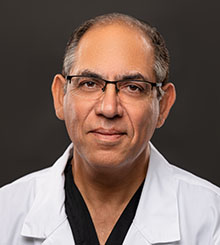
Raj K. Khanna, DMD, MD
Clinical Interests:
Locations:
- Marshall Dentistry & Oral Surgery 304.691.1247
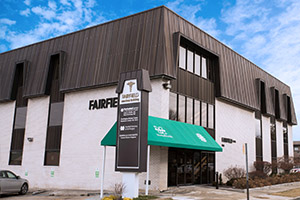
Marshall Dentistry & Oral Surgery
Fairfield Building
1616 13th Avenue
Suite 200
Huntington, WV 25701
Phone: 304.691.1247
Need Your Wisdom Teeth Evaluated?
Our oral and maxillofacial surgery team provides expert evaluation and treatment for impacted, painful or problematic wisdom teeth. Schedule a consultation today.
Marshall Dentistry & Oral Surgery
304.691.1247