
Movement Disorders
Expert Care for Movement Disorders
Movement disorders affect the ability to control and coordinate muscle movements, leading to symptoms such as tremors, stiffness or involuntary movements. At Marshall Health, our specialists provide expert diagnosis and personalized treatment plans to help patients manage symptoms and maintain their quality of life.
Types of Movement Disorders We Treat
- Parkinson’s Disease: This progressive neurodegenerative disorder can cause tremors, stiffness, bradykinesia (slowness of movement) and balance issues. Treatment may include medications, deep brain stimulation (DBS) surgery and physical therapy.
- Essential Tremor: This nervous system disorder causes rhythmic shaking, usually in the hands. These tremors worsen with movement or under stress.
- Dystonia: This movement disorder causes abnormal muscle contractions and twisting movements resulting in muscle cramps, repetitive movements or abnormal postures.
- Huntington’s Disease: This genetic disorder causes the progressive breakdown of nerve cells in the brain causing uncontrolled movements (chorea), mood changes, and cognitive decline.
- Tardive Dyskinesia: Involuntary, repetitive movements, often in the face and tongue, caused by long-term use of certain medications.
Causes of Movement Disorders
Movement disorders may develop due to:
- Genetic factors (e.g., Huntington’s disease, dystonia)
- Neurodegenerative diseases (e.g., Parkinson’s disease)
- Brain injury or stroke
- Medications
- Infections and inflammation
- Environmental factors
Symptoms of Movement Disorders
Symptoms will vary in severity and affect different parts of the body depending on the individual and cause. They can include:
- Tremors: Involuntary shaking movements
- Rigidity: Stiffness of the muscles
- Bradykinesia: Slowness of movement
- Dystonia: Abnormal postures or muscle contractions
- Chorea: Involuntary, irregular movements
Diagnosing Movement Disorders
At Marshall Health, our movement disorder specialists use a comprehensive approach to diagnosis, including:
- Neurological exams to assess muscle function and movement patterns
- Imaging tests such as MRI, CT or PET scans
- Genetic testing when applicable
- Blood tests to rule out other conditions
Personalized Treatment Plans
Treatment is tailored to each patient’s needs and may vary depending on the type and severity of the movement disorder. Options include:
- Exercise and stress management strategies
- Medications and injections to control symptoms
- Surgical interventions, including Deep Brain Stimulation (DBS)
- Physical, occupational and speech therapy to improve mobility and communication
Living with a Movement Disorder
Although movement disorders present unique challenges, many individuals continue to lead active, fulfilling lives with proper management and support. Marshall Health offers resources, education and local support groups to help patients and families navigate their journey.
More information about movement disorders can also be found at wvmda.org/education.

Matthew A. Burton, MD
Clinical Interests:
- Deep Brain Stimulation
- Movement Disorders
- Neurology
Locations:
- Marshall Neurology - Huntington 304.691.1787
- Marshall Neuroscience - Teays Valley 304.691.6931
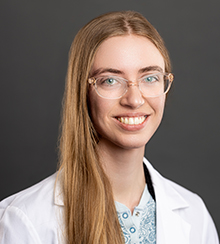
Micaela R. Owens, DO
Clinical Interests:
- Alzheimer's & Dementia
- Epilepsy
- Headaches & Migraines
- Movement Disorders
- Multiple Sclerosis
- Neurology
- Neuromuscular Medicine
- Stroke Care
Locations:
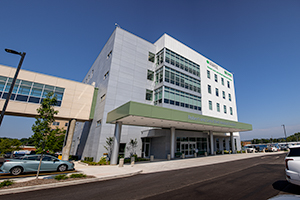
Marshall Neurology - Huntington
A provider-based department of Cabell Huntington HospitalRobert and Lena Shell Medical Pavilion1340 Hal Greer Blvd.
Building 2, Fourth Floor (Suite #4000)
Huntington, WV 25701
Phone: 304.691.1787
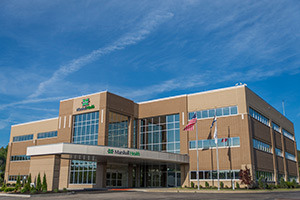
Marshall Neuroscience - Teays Valley
An outpatient department of Cabell Huntington Hospital
Marshall Health - Teays Valley Main Building
300 Corporate Center Drive
2nd Floor
Scott Depot, WV 25560
Phone: 304.691.6931