


Breast Health
Understanding Breast Health
Your breast health is an important part of overall wellness. It involves recognizing what is normal for your body and noticing any changes. Regular awareness, healthy habits and routine screenings can help detect potential issues like breast cancer early and improve outcomes.
Common Breast Changes
Breasts naturally vary in size, shape and texture, and may change over time due to age, hormones, pregnancy or lifestyle factors.
Many breast changes are non-cancerous (benign), but it’s still important to be aware of them. These may include:
- Lumps or thickening in the breast or underarm area
- Changes in size, shape or appearance
- Skin dimpling or irritation
- Nipple discharge or inversion
- Persistent pain in one area
If you notice any unusual changes, contact your healthcare provider without delay.
Risk Factors
Several factors may influence breast health, including:
- Age and family history
- Genetic mutations
- Lifestyle factors such as diet, exercise and alcohol consumption
- Hormonal influences
Understanding your personal risk can help guide screening decisions.
Importance of Regular Screenings
Routine screenings play a key role in early detection, which greatly increases the chances of successful treatment. Talk to your provider to learn more about which is right for you:
- Self-awareness: Know how your breasts normally look and feel
- Clinical exams: Performed by a healthcare professional
- Mammograms: Recommended based on age and risk factors. Women with average risk should start getting mammograms at age 40.
Marshall Health Network offers mammograms at the CHH Breast Health Center, HIMG, St. Mary's Breast Center and Marshall Health - Teays Valley.
Healthy Lifestyle Tips
Supporting your breast health can also involve everyday choices:
- Maintain a balanced diet rich in fruits and vegetables
- Stay physically active
- Limit alcohol intake
- Avoid smoking
- Maintain a healthy weight
Breast health is an ongoing process that combines awareness, prevention and proactive care. Staying informed and communicating openly with your healthcare provider are key steps toward maintaining your well-being.
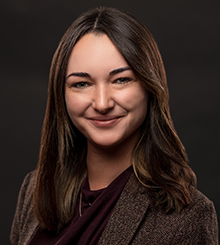
Dominika Dziadecki, MD
Clinical Interests:
Locations:
- Edwards Comprehensive Cancer Center 304.399.6500

Diane M. Krutzler-Berry, MD, FACS
Clinical Interests:
Locations:
- Edwards Comprehensive Cancer Center 304.399.6500
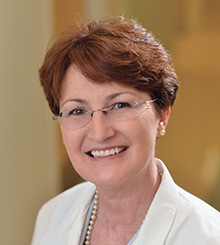
Mary T. Legenza, MD, FACS
Clinical Interests:
Locations:
- Edwards Comprehensive Cancer Center 304.399.6500
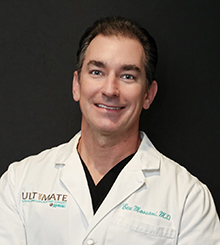
Benjamin Moosavi, MD
Clinical Interests:
Locations:
- St. Mary's Breast Center 304.526.8221
- Ultimate Plastic & Reconstructive Surgery 304.399.4220
Arash Samadi, MD
Clinical Interests:
Locations:
- Marshall Plastic & Reconstructive Surgery 304.691.8910
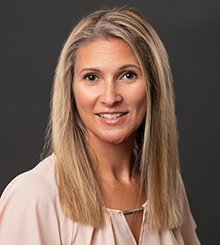
Jessica Sparks, APRN, AGACNP-BC
Clinical Interests:
Locations:
- St. Mary's Breast Center 304.526.8221
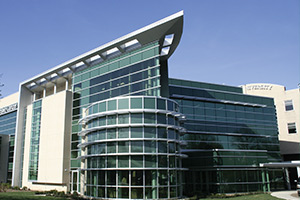
Edwards Comprehensive Cancer Center
An outpatient department of Cabell Huntington Hospital
1400 Hal Greer Blvd.
Huntington, WV 25701
Phone: 304.399.6500
Toll-Free Phone: